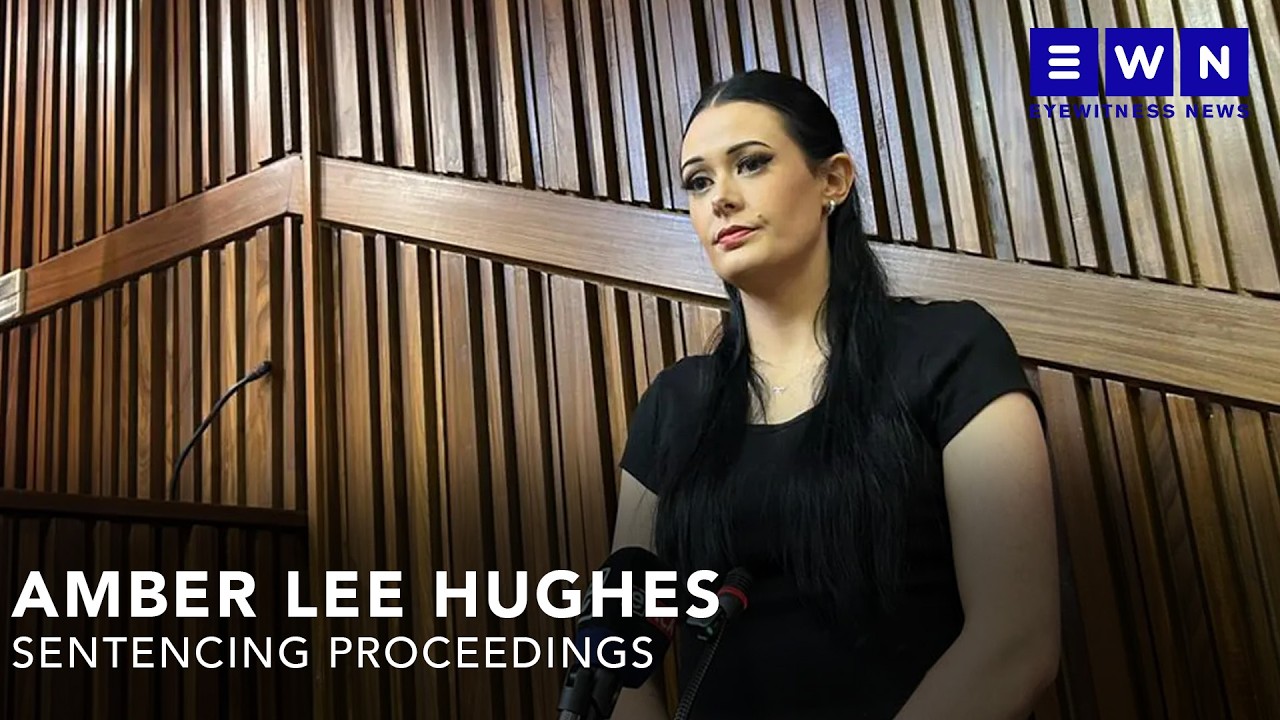
Amber Lee Hughes' Murder Conviction: Inconsistencies Unveiled in Court
The conviction of Amber Lee Hughes for the rape and murder of four-year-old Nada Jane Challita has sent shockwaves through communities, bringing to light the devastating consequences of volatile domestic disputes. While Hughes, a former preschool teacher, ultimately confessed to drowning the child, her journey through the courts was marked by a series of shifting narratives and stark contradictions. These inconsistencies, meticulously brought to the fore by the State, played a pivotal role in dissecting her claims and painting a clearer, albeit disturbing, picture of the events leading to Nada Jane's tragic death.
The Conviction and the Shifting Narrative of Amber Lee Hughes
Amber Lee Hughes initially pleaded not guilty to the heinous charges of rape and murder following her arrest in 2023. However, as the trial progressed at the Gauteng High Court in Johannesburg, presided over by Judge Richard Mkhabela, her stance dramatically changed. Hughes eventually admitted to killing Nada Jane Challita, her ex-partner Elie Challita's daughter, who was in her care at the time. The confessed act involved drowning the child in a bathtub within the apartment Hughes shared with Elie Challita.
Hughes’ testimony later attempted to frame her actions as a desperate measure, claiming she was driven to the point of homicide by alleged abuse from her former partner. She painted a picture of self-sacrifice, asserting that she believed she was acting in Nada Jane's best interest by staying in the relationship, lest the child be left without a mother figure and potentially neglected by her father. This narrative became the cornerstone of her defense, attempting to mitigate the severity of her actions by attributing them to a deeply troubled and abusive relationship. However, the State, through robust cross-examination, systematically dismantled this narrative, revealing a pattern of behavior that contradicted Hughes' claims.
Unraveling the Web of Contradictions: The State's Cross-Examination
Prosecutor Rolene Barnard meticulously highlighted numerous inconsistencies in Amber Lee Hughes' testimony, particularly concerning her allegations of abuse and her supposed concern for Nada Jane's welfare. These contradictions were often laid bare through the undeniable evidence of digital communication, offering an unvarnished glimpse into the true dynamics of the relationship.
The "Love Heart" Text Message and Alleged Abuse
One of the most damning pieces of evidence presented was a text message Hughes had sent to Elie Challita. The message read: "If she asks me and my assistant, we will have nothing but positive things to say about you, my love heart emoji. Do you agree with that? Do you still stand by that?" Barnard powerfully argued that this message stood in direct opposition to Hughes' claims of experiencing severe abuse at Challita's hands.
The use of a "love heart emoji" and the seemingly cooperative tone directly undermined her allegations, casting doubt on the veracity of her testimony regarding an abusive environment. When confronted, Hughes offered an explanation, stating that Challita was a parent of one of her pupils, and she wouldn't have discussed personal matters, especially those involving social welfare, with him in that context. However, this explanation struggled to reconcile with the apparent warmth and agreement expressed in the message itself, suggesting a more complex and perhaps manipulative dynamic at play. The power of such digital evidence in court cannot be overstated, as it provides a concrete, time-stamped record that can be incredibly difficult to disclaim, offering a window into private communications that often directly contradict public or courtroom narratives. Readers interested in the specifics of how these digital communications impacted the trial can find more details in
Amber Lee Hughes Trial: Text Messages Expose Contradictions in Testimony.
Child Welfare Concerns: Timing and Motive
Another significant area of contention revolved around Hughes' claims regarding Nada Jane's alleged unsafe living conditions. Barnard presented evidence suggesting that Hughes' concerns about the child's welfare appeared to surface predominantly following arguments or disagreements with Challita, rather than as consistent, ongoing issues. This pattern led the State to argue that Hughes' expressions of concern for Nada Jane might have been less about genuine worry for the child's safety and more about leveraging the child's welfare as a tool in her disputes with Challita. This implied a potential manipulation, where allegations of neglect were used as a retaliatory measure rather than a proactive effort to protect the child.
Digital Footprints: Social Media and Financial Allegations
The court also heard about a troubling incident involving Hughes posting Challita’s personal information and damaging allegations about him on Facebook. This act of public shaming further illuminated the turbulent nature of their relationship and Hughes' readiness to escalate conflicts. In response to this public attack, Challita sent Hughes a message that revealed the depth of his despair and the financial and emotional toll her actions had taken on him and Nada Jane.
Barnard read from Challita's message: “Every time you're not feeling well, I have to pay for it with my life, my peace, with mine and my child's safety and well-being. Only to find out that you have been stealing from me and my child since the day you entered my house.” This message was particularly revealing, not only for underscoring the severe emotional and personal cost of Hughes' actions but also for introducing allegations of theft. The prosecutor argued that this sequence of messages demonstrated a disturbing pattern: whenever Hughes was unhappy or faced conflict, there were immediate and severe negative consequences for Challita and his daughter. This pattern suggested a manipulative dynamic where Hughes' emotional state directly led to adverse outcomes for those around her, ultimately culminating in the tragic death of Nada Jane. It highlights the critical importance of documenting any form of abuse or concerning behavior, particularly in high-conflict relationships where children are involved, as digital footprints often serve as undeniable evidence.
The Defense's Struggle: Seeking Context for Undeniable Evidence
As Amber Lee Hughes' defense team prepared for re-examination, they requested a postponement. Their stated reason was to consult with Hughes regarding the context of the text messages presented in court. However, the court questioned the relevance and necessity of this request. It was pointed out that Hughes had not denied the authenticity of the messages themselves, and they had already been admitted as evidence. The court's skepticism underscored the difficulty of retrospectively providing "context" for direct and undisputed digital communications that unequivocally contradict a witness's testimony.
This episode highlights a common challenge in legal proceedings: while context can sometimes clarify ambiguous statements, it often cannot fundamentally alter the meaning of clear, direct evidence. When faced with such stark contradictions, the defense often walks a tightrope, trying to protect their client's credibility without denying the veracity of the evidence itself. Ultimately, the judge determines the weight and interpretation of all evidence, including any attempted contextual explanations.
The Broader Implications: Navigating Volatile Relationships and Child Safety
The case of Amber Lee Hughes and the tragic death of Nada Jane Challita serves as a stark reminder of the devastating potential within highly volatile relationships, especially when children are caught in the crossfire. The inconsistencies in Hughes' testimony, coupled with the digital evidence, painted a picture of a relationship fraught with manipulation, retaliation, and a disregard for the well-being of a vulnerable child.
This case underscores several crucial points:
- The Power of Digital Evidence: Text messages, social media posts, and other digital communications are increasingly critical in legal cases. They provide an undeniable, objective record that can expose falsehoods and reveal hidden dynamics.
- The Complexity of Abuse Allegations: While genuine allegations of abuse must always be taken seriously, this case highlights how such claims can sometimes be used as a shield or a weapon in personal disputes, making it imperative for courts to meticulously examine all corroborating evidence.
- Prioritizing Child Welfare: Above all, the case is a heartbreaking testament to the paramount importance of safeguarding children. Nada Jane Challita, an innocent four-year-old, became the ultimate victim of adult conflict and alleged manipulation.
- Seeking Help in Volatile Relationships: For individuals caught in emotionally abusive or volatile relationships, documenting incidents objectively and seeking external support from legal professionals, therapists, or support organizations is crucial, especially when children are involved.
The verdict, which found
Former Teacher Amber Lee Hughes Guilty of Stepdaughter's Rape and Murder, brought a measure of justice for Nada Jane. However, the inconsistencies revealed during the trial leave an enduring legacy of questions about the true motives and the psychological landscape that led to such an unthinkable act.
In conclusion, the murder conviction of Amber Lee Hughes, while delivering justice for Nada Jane Challita, served as a profound illustration of how inconsistencies in testimony, especially when confronted with irrefutable digital evidence, can expose a defendant's true intentions. The detailed cross-examination by the State methodically dismantled Hughes' narrative of self-sacrifice and alleged abuse, revealing a pattern of behavior that tragically culminated in the death of an innocent child. This case is a sobering reminder of the critical importance of truth in legal proceedings and the relentless pursuit of justice for the most vulnerable among us.