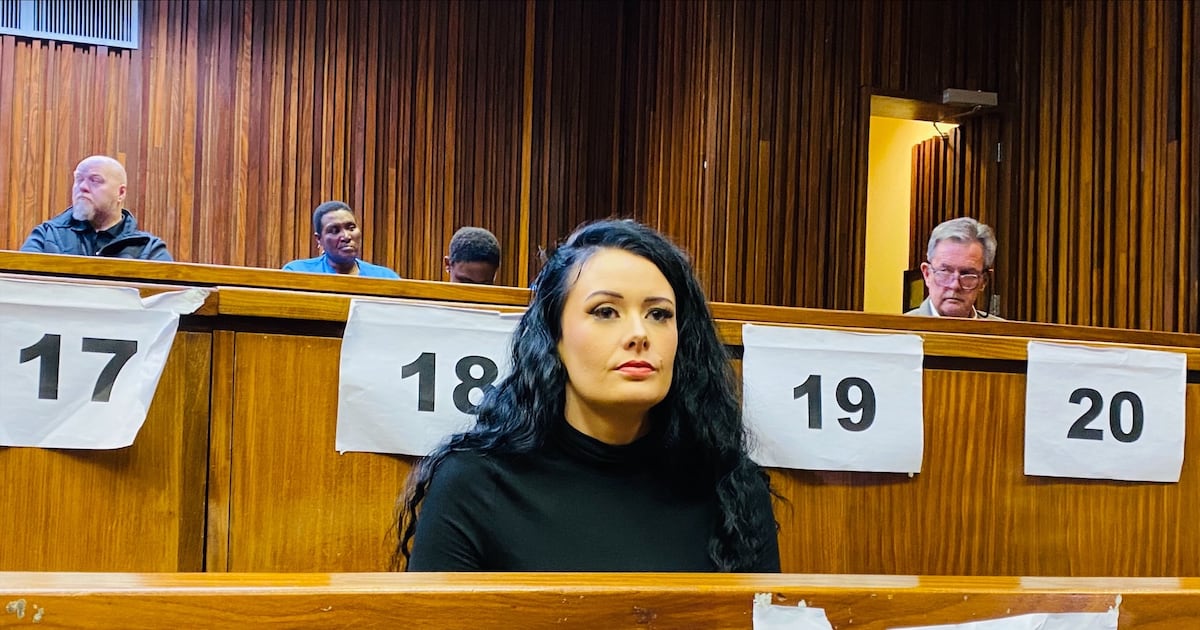
Former Teacher Amber Lee Hughes Convicted of Stepdaughter's Rape and Murder
The harrowing case of Amber Lee Hughes, a former preschool teacher, has culminated in a guilty verdict for the rape and murder of her four-year-old stepdaughter, Nada Jane Challita. The conviction, handed down in the Gauteng High Court in Johannesburg, sent shockwaves through the community, particularly given Hughes's former profession and the horrific nature of the crime committed against a vulnerable child in her care. This article delves into the details of the court proceedings, the damning inconsistencies in Hughes's testimony, and the tragic outcome for young Nada Jane.
The Shocking Crime and a Shifting Narrative
In 2023, the serene façade of a Johannesburg apartment was shattered by the brutal death of Nada Jane Challita. The child was found drowned in a bathtub, a crime that Amber Lee Hughes, her then-partner Elie Challita's girlfriend, later confessed to. Hughes, 26, was arrested in connection with the death and faced two counts of rape and one count of murder. Initially, she pleaded not guilty, maintaining her innocence throughout much of the trial. However, the emotional weight of the proceedings eventually led her to admit to killing Nada Jane. This confession marked a critical turning point, shifting the focus from establishing guilt to understanding the motives and circumstances surrounding the heinous act.
During her testimony, Hughes claimed she had been driven to this point by alleged abuse at the hands of her former partner, Elie Challita. She painted a picture of self-sacrifice, stating that she believed she had "sacrificed everything" for Challita and his daughter. Hughes asserted that if she had left the relationship, Nada Jane would have been left without a mother figure and potentially neglected in her father’s care. These claims, however, would soon be meticulously dismantled by the prosecution, exposing a pattern of contradictions and self-serving justifications.
A Web of Contradictions: Hughes's Testimony Under Scrutiny
The State, represented by prosecutor Rolene Barnard, raised significant concerns about what it described as numerous inconsistencies in Amber Lee Hughes's testimony during cross-examination at the Johannesburg High Court. These inconsistencies became a cornerstone of the prosecution's argument, highlighting a stark divergence between Hughes's narrative and the evidence presented.
The Troubling Text Messages
One of the most powerful pieces of evidence challenging Hughes's claims of abuse came in the form of a text message she had sent to Elie Challita. Barnard read the message aloud in court: “If she asks me and my assistant, we will have nothing but positive things to say about you, my love heart emoji. Do you agree with that? Do you still stand by that?”
This message starkly contradicted Hughes’s testimony regarding alleged abuse in the relationship. When confronted, Hughes attempted to explain away the inconsistency, stating, “He was still a parent of one of my pupils, so I wouldn’t have discussed any of the matters that were happening at the school with him, especially in regard to welfare being involved.” This explanation, however, did little to mitigate the impact of the message, which suggested a far more amicable relationship than her abuse claims implied. For a deeper dive into these contradictions, read our related article: Amber Lee Hughes Trial: Text Messages Expose Contradictions in Testimony.
Questioning Motives and Child Welfare Claims
The prosecution further challenged Hughes's sincerity regarding her concern for Nada Jane's welfare. Barnard argued that evidence suggested Hughes only raised concerns about Nada's living conditions and well-being following arguments with Elie Challita, implying that these claims were used as leverage or a weapon in their disputes rather than genuine apprehension. The court noted that such timing cast doubt on the authenticity of her professed selfless motives for remaining in the relationship for the child's sake. The State underscored that true concern for a child's safety should not be contingent on the state of an adult relationship.
The Pattern of Allegations and Consequences
The court also heard another compelling message, this time sent by Elie Challita to Hughes after she posted his personal information and damaging allegations about him on Facebook. Challita’s message revealed a deeply troubled dynamic:
“Every time you're not feeling well, I have to pay for it with my life, my peace, with mine and my child's safety and well-being. Only to find out that you have been stealing from me and my child since the day you entered my house.”
Prosecutor Barnard highlighted this message as evidence of a concerning pattern: whenever Hughes was unhappy or "not feeling well," there were severe consequences for Challita and, tragically, for his daughter. The mention of stealing from Challita and Nada Jane added another layer of alleged deceit and self-interest to Hughes's character, further eroding the credibility of her claims of self-sacrifice and concern for the child. This consistent pattern of behavior, as presented by the State, painted a picture of manipulation and retaliation that stands in stark contrast to her self-portrayed victimhood. For further insights into how these inconsistencies were unveiled, refer to: Amber Lee Hughes' Murder Conviction: Inconsistencies Unveiled in Court.
Legal Implications and the Path to Sentencing
As Hughes’s defence team prepared for re-examination, they requested a postponement to consult with her on the context of the text messages. However, the court questioned the relevance of this request, noting that Hughes had not denied the authenticity of the messages and that they had already been admitted into evidence. This legal maneuver highlights the challenges faced by the defence in reconciling their client's testimony with irrefutable evidence. The court’s scepticism underscored the strength of the prosecution’s case built on the very words exchanged between the parties.
The conviction of Amber Lee Hughes for the rape and murder of Nada Jane Challita brings a partial closure to a case that has deeply affected many. While the specific details surrounding the rape conviction were not extensively detailed in the public context, its inclusion in the verdict underscores the full horror of the crimes committed. With the verdict delivered by Judge Richard Mkhabela, the matter now moves closer to sentencing, where the court will determine the appropriate punishment for these grave offences.
This case serves as a poignant reminder of the vulnerabilities of children and the critical importance of safeguarding them from harm, especially from those entrusted with their care. It also highlights the meticulous work of the legal system in dissecting complex narratives to uncover the truth.
Conclusion
The conviction of Amber Lee Hughes for the rape and murder of four-year-old Nada Jane Challita marks a tragic end to a profoundly disturbing chapter. The court meticulously exposed the inconsistencies in Hughes's testimony, revealing a narrative fraught with contradictions that ultimately failed to withstand judicial scrutiny. As the legal process moves towards sentencing, the focus remains on securing justice for Nada Jane and offering some measure of accountability for the unspeakable acts committed against her. This case stands as a stark testament to the fragility of trust and the ultimate failure to protect a child from the very person who was meant to care for her.